
Why chalet wine needs its own strategy
A proper chalet wine pairing service is not about showing off a long list of famous labels. It is about building a cellar rhythm that suits altitude, appetite, the menu, and the people around the table. In the Alps, where lunch may be on the piste and dinner begins after a cold day outdoors, the right bottles need freshness, structure, and timing. That is why guests increasingly look for a private chef who can think like a host as well as a cook.
At Private Chef Alps, wine is approached as part of the dining architecture, not as an optional extra added after the menu is finished. Victor Garrido’s service can pre-stock the chalet cellar, coordinate pairings, and shape a drinks programme that feels elegant across the whole stay. For clients who care about food and wine in equal measure, that makes an immediate difference. The week feels curated rather than assembled.
The first principle is context. Chalet drinking is different from city drinking. Altitude, cold air, and ski-day fatigue tend to favour bottles with lift and clarity over wines that are simply heavy or expensive. That is one reason Savoie wines remain so useful in Alpine dining. According to Explore Savoie, the region’s wines include fresh, mineral whites and distinctive reds across several protected appellations. In practice, that freshness works beautifully with mountain cooking, from lake fish and shellfish to poultry, cheese-based dishes, and lighter first courses.
How pairings work across the ski week

For a host, the real question is not “What should we drink?” but “What should we drink, when?” A well-run chalet cellar begins with breakfast and carries through to digestifs. During the day, restraint matters. At lunch, brighter whites, grower sparkling wines, or precise rosés often keep the table fresh without flattening the afternoon. In the evening, there is room to deepen the register: a more serious white with butter-poached fish, a refined Pinot Noir with poultry, or a beautifully judged Syrah-led bottle if the menu turns towards game or richer sauces.
This is where a premium wine-specialist mindset matters. Victor’s role is not to impose a sommelier performance on a private household. It is to understand the menu, the pace of the week, and the preferences of the guests. Some groups want classic French references, especially if they are entertaining in Courchevel 1850 or hosting a formal evening in Val d’Isère. Others want a cellar that moves more widely and more personally.
That is where South African context can be unexpectedly compelling in an Alpine setting. The finest Cape whites bring brightness, texture, and gastronomic poise that suit mountain food rather beautifully. Wines of South Africa notes the country’s range of regions, varieties, and terroirs, and that diversity gives a private chef genuine flexibility. A taut Chenin Blanc can be a superb answer to a menu built around shellfish, trout, or a cream-lifted starter. A serious Cap Classique can carry canapés and early-evening reception service with far more character than generic fizz. The point is not novelty; it is relevance in the glass.
Where South African perspective adds value
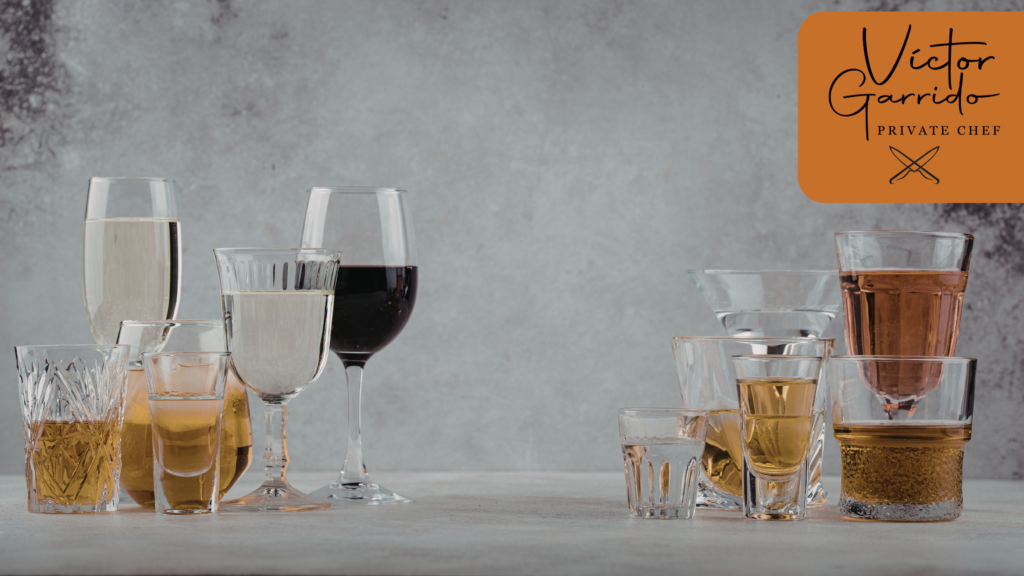
Equally, not every dinner needs full pairing theatre. For many chalet stays, the smartest strategy is a mixed model: a few key nights with complete pairings, one celebratory cellar-driven dinner, and simpler service on more relaxed family evenings. This keeps the week generous without becoming tiring. It also allows the chef to align spend with the moments that matter most, whether that is a birthday dinner, a client evening, or a long-table final night.
A good private chef will also think beyond the dinner bottle. Apéritif choices shape appetite. Digestifs affect the mood of the room. Alcohol-free pairings matter for some guests and should be treated with the same seriousness as wine. Strong hosting lies in balance. The cellar must support the room rather than dominate it.
Commercially, this is where a founder-led service outperforms a more generic chalet catering model. If food is planned by one person and wine is left to chance, the result rarely feels polished. When menus, provisioning, and drinks are planned together, waste reduces, service tightens, and guests feel properly looked after. That is particularly true when the household has different preferences: one couple loves Burgundy, another prefers grower Champagne, someone else wants top South African whites, and the hosts want local Alpine references woven in without fuss.
What polished cellar planning looks like
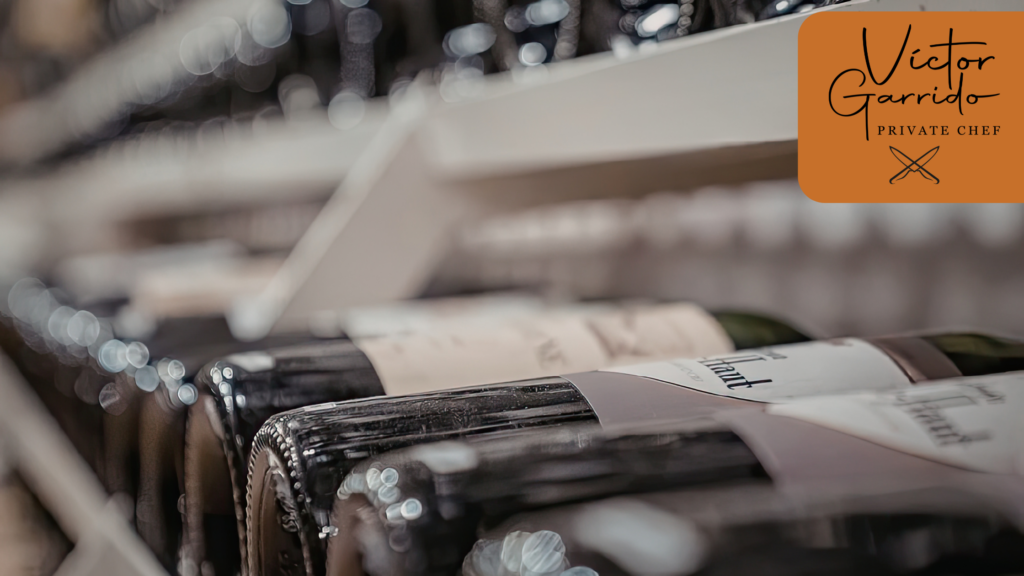
The best chalet wine service is therefore highly personal. It is not a template list. It is a response to the guests, the kitchen, and the week. It can move from mineral Savoie whites to a confident Cape blend, from an elegant aperitif to a quietly serious dinner bottle, always with the table in mind. And because Victor leads bookings directly, the conversation stays precise. Preferences are understood before arrival. The right wines are in place when the first canapés leave the kitchen.
For clients who care about atmosphere as much as labels, that precision matters. Wine should make a chalet feel more composed, more generous, and more memorable. In the right hands, it does exactly that. It turns dinner from a pleasant service into a house style — the kind of detail guests remember long after the snow has gone.
FAQs
Because Alpine dining often benefits from wines with freshness, energy, and balance, especially after a full day on the slopes.
Yes. Pre-arrival cellar stocking is one of the most efficient ways to keep the week smooth and the drinks programme coherent.
No. Many guests prefer a few fully paired evenings and simpler, more relaxed service on other nights.
Absolutely. Good Cape whites, Cap Classique, and cooler-climate reds can be highly effective with Alpine menus.
It works best when the wine plan is developed alongside the menu, so the pacing, style, and spend all feel intentional.